Journals




Journals
Drag and drop the files. We’ll take care of the rest.
PageMajik Journals provides a complete, end-to-end platform for managing every stage of the scholarly publishing process. It is a comprehensive solution that supports journal setup, automated issue scheduling, article submission, technical checks, research integrity review, desk review, peer review, revision management, editorial decisions, article production, issue compilation, and final publication to both digital and print. The platform streamlines the entire publishing workflow from initial submission through to final publication.

-
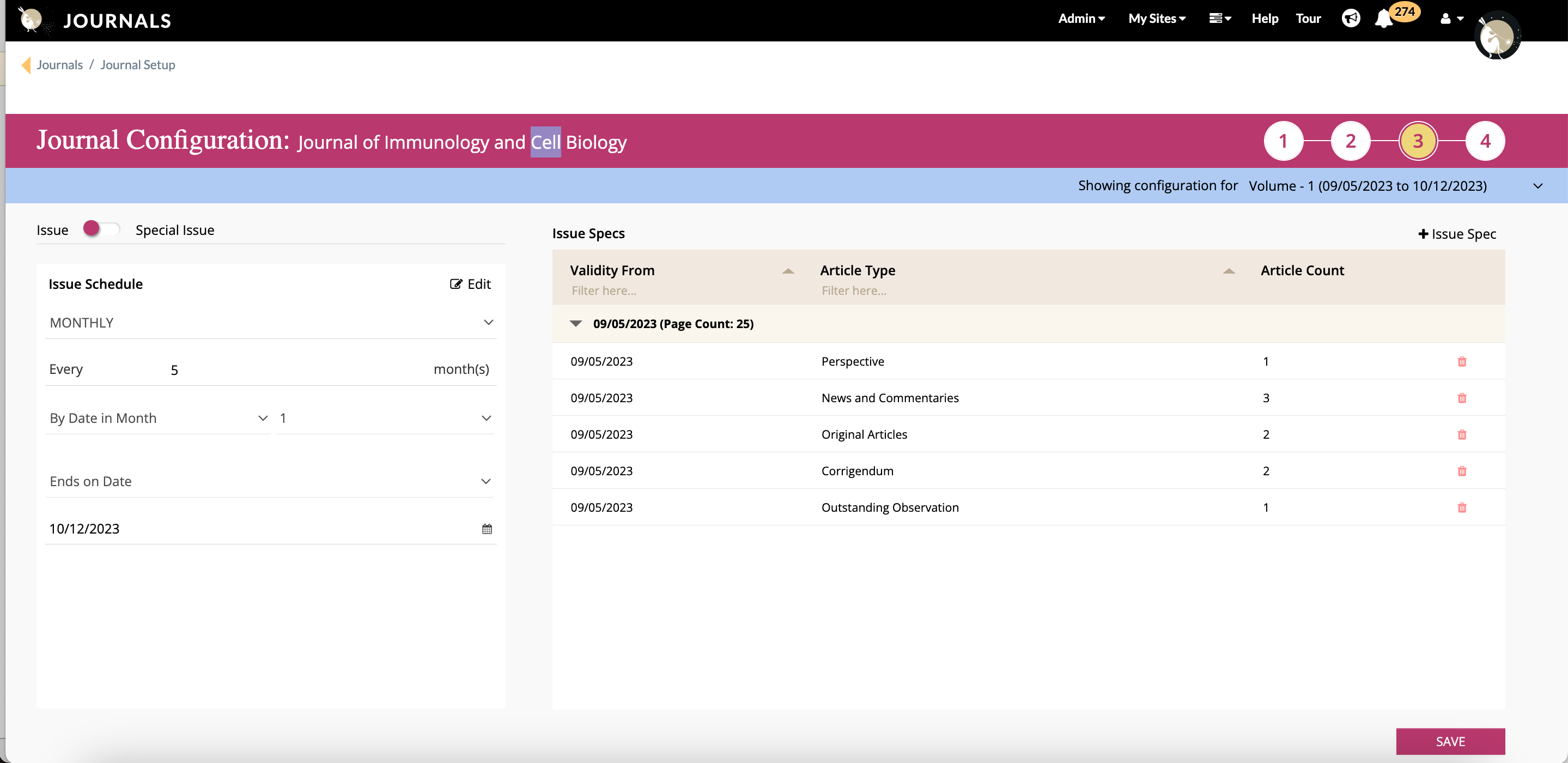 Set up your journal effortlessly – configure metadata, manage volumes and article types, design submission forms, create communication workflows, schedule reminders by role, define special issues and embargoes, and choose between continuous or issue-based production.
 -
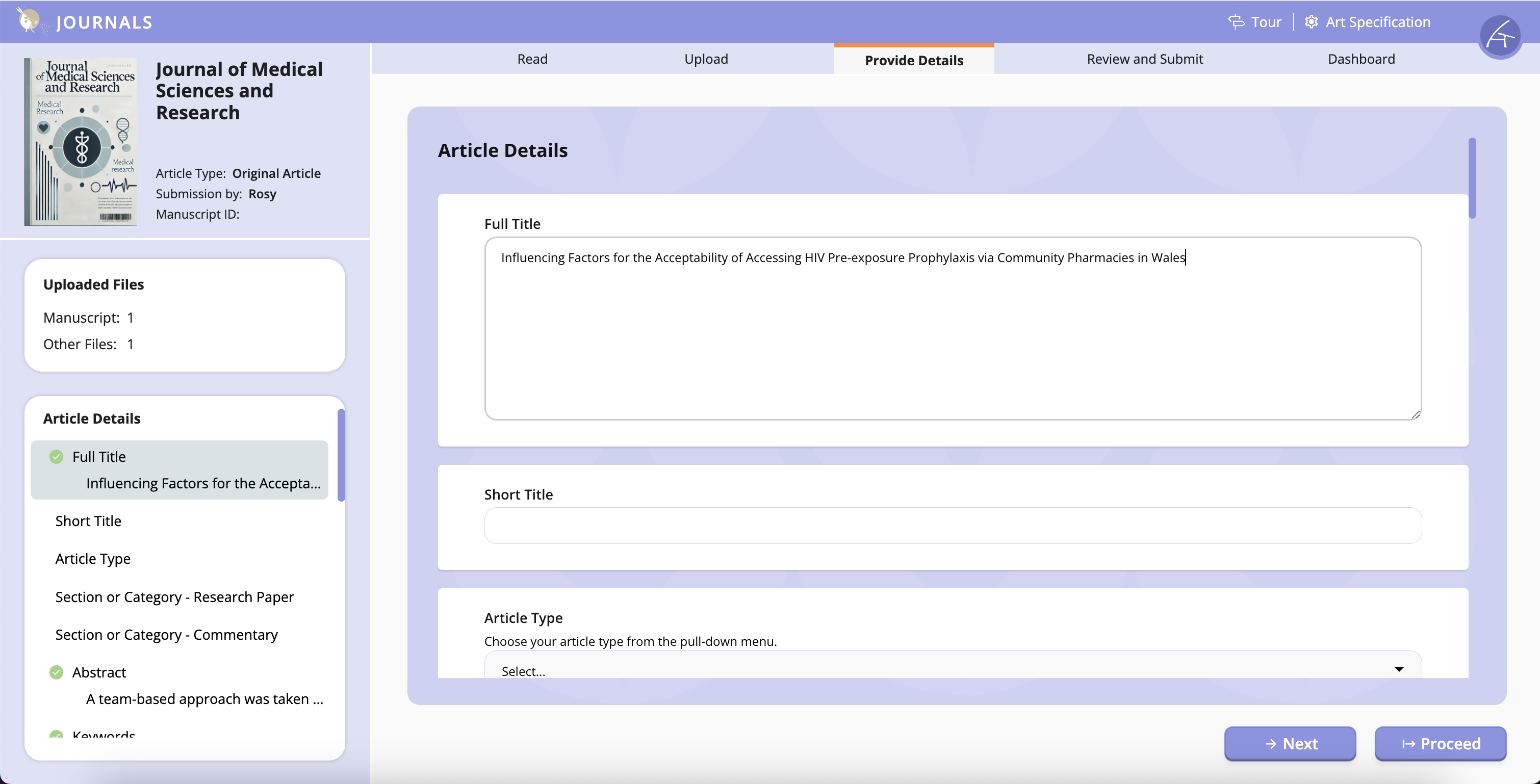 Simplify your author's submission experience – no login required, just secure link-based access. Guide them through a streamlined four-step process to read, upload, provide details, and submit. Automatically extract metadata and prefill forms. Instantly validate artwork with Autofix based on journal specifications. Use dynamic forms that adapt to article type, and drag-and-drop files with smart classification and mandatory checks. Stay informed with real-time checklists, inline progress tracking, and a complete manifest view. Provide clear author guidelines and support them with an online guided tour.
 -
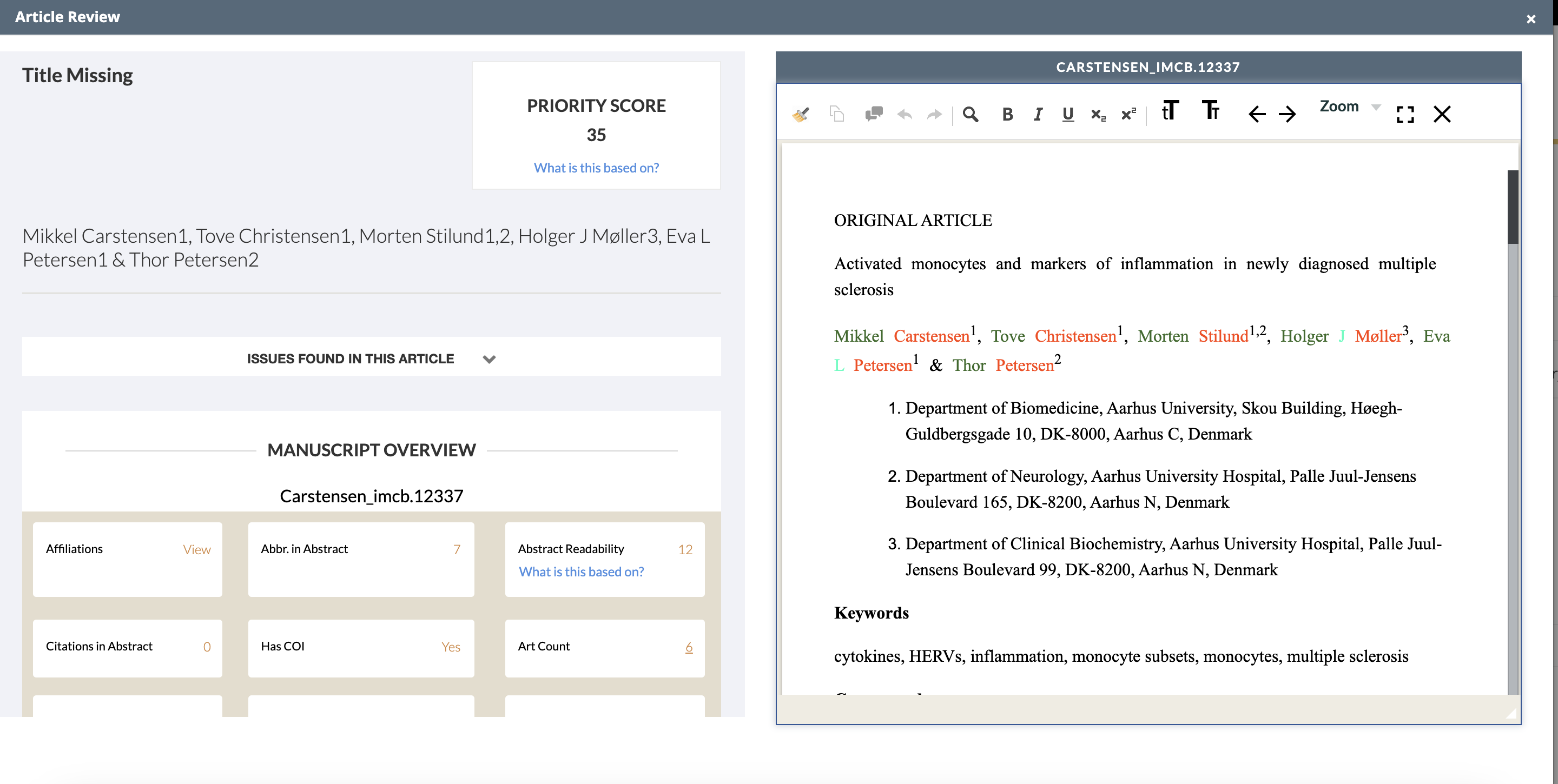 Empower your editors with an AI-assisted article review – start with Desk Review supported by automated technical checks and structural analysis using StyleFinder, our AI engine that tags styles, flags inconsistencies, and assesses research integrity. Editors can compare the submitted form with the AI-processed article for deeper insight. Take actions like Reject, Copyedit, or Send to Peer Review directly from the article review.
 -
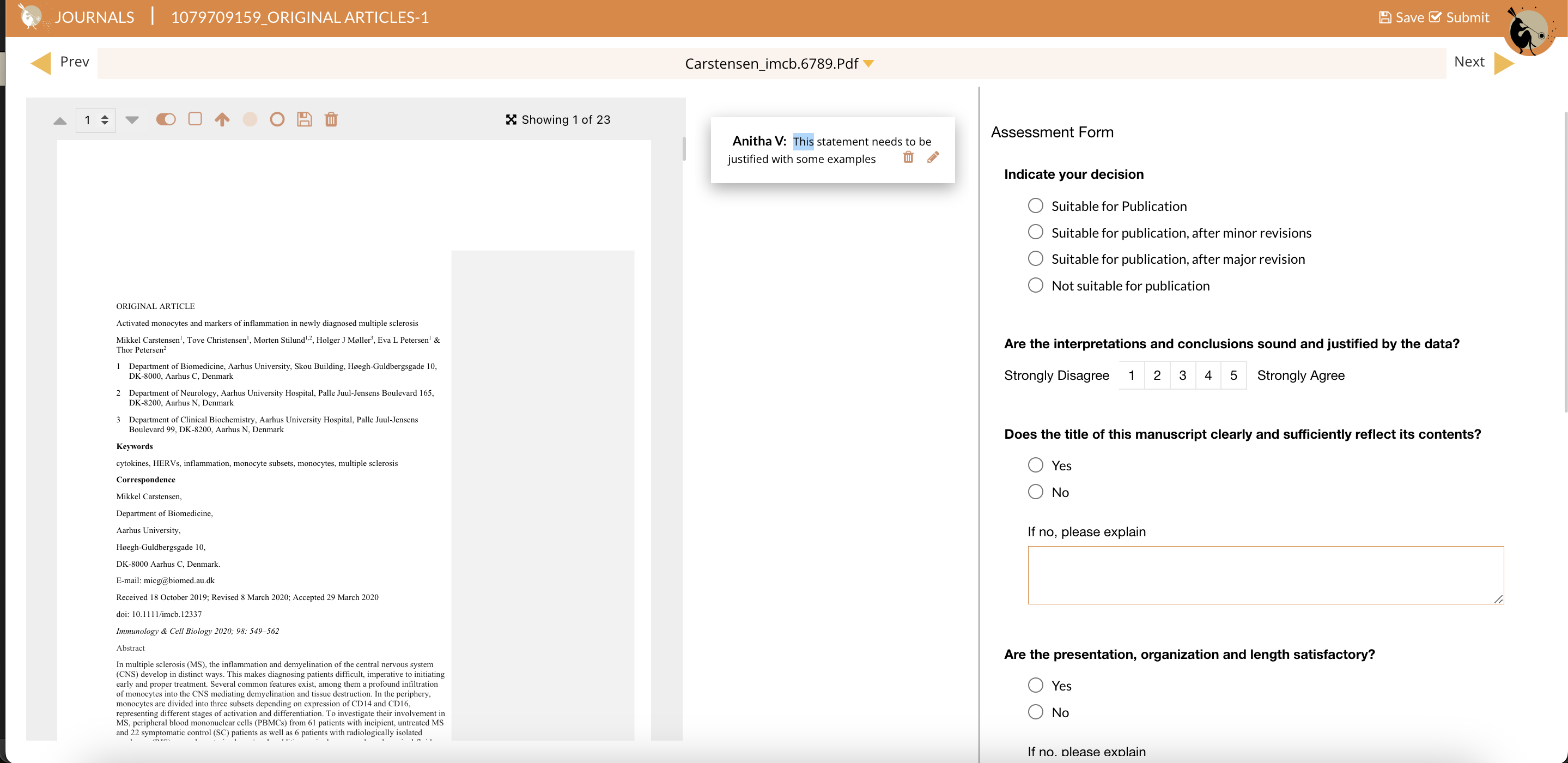 Make peer review effortless for your reviewers – offer email-based, login-free access through secure, assignment-specific links. Enable a smooth experience with side-by-side PDF viewing and structured review forms. Allow inline annotations and comments directly on the manuscript. Guide them through a clear review submission workflow, while the system auto-tracks progress and updates status. Give reviewers a personalized dashboard to manage all their accepted invitations in one place.
An AI-powered inference engine automatically reads the manuscript to populate form fields, validate word count, detect language, and verify metadata completeness. Discrepancies are flagged before submission. Authors can reorder files, update file types, and preview submission status. The platform ensures every submission is well-structured, accurate, and ready for seamless editorial review.
Every Submission, Editorial-Ready
Workflow
PageMajik Journals comprises three core components: journal setup, editorial management, and production transformation. It provides publishers with robust tools to configure journals, manage roles and workflows efficiently, and streamline editorial processes such as submissions, manuscript review, and peer review. The platform also facilitates production workflows for both digital and print issues, ensuring smooth regular releases and special editions.
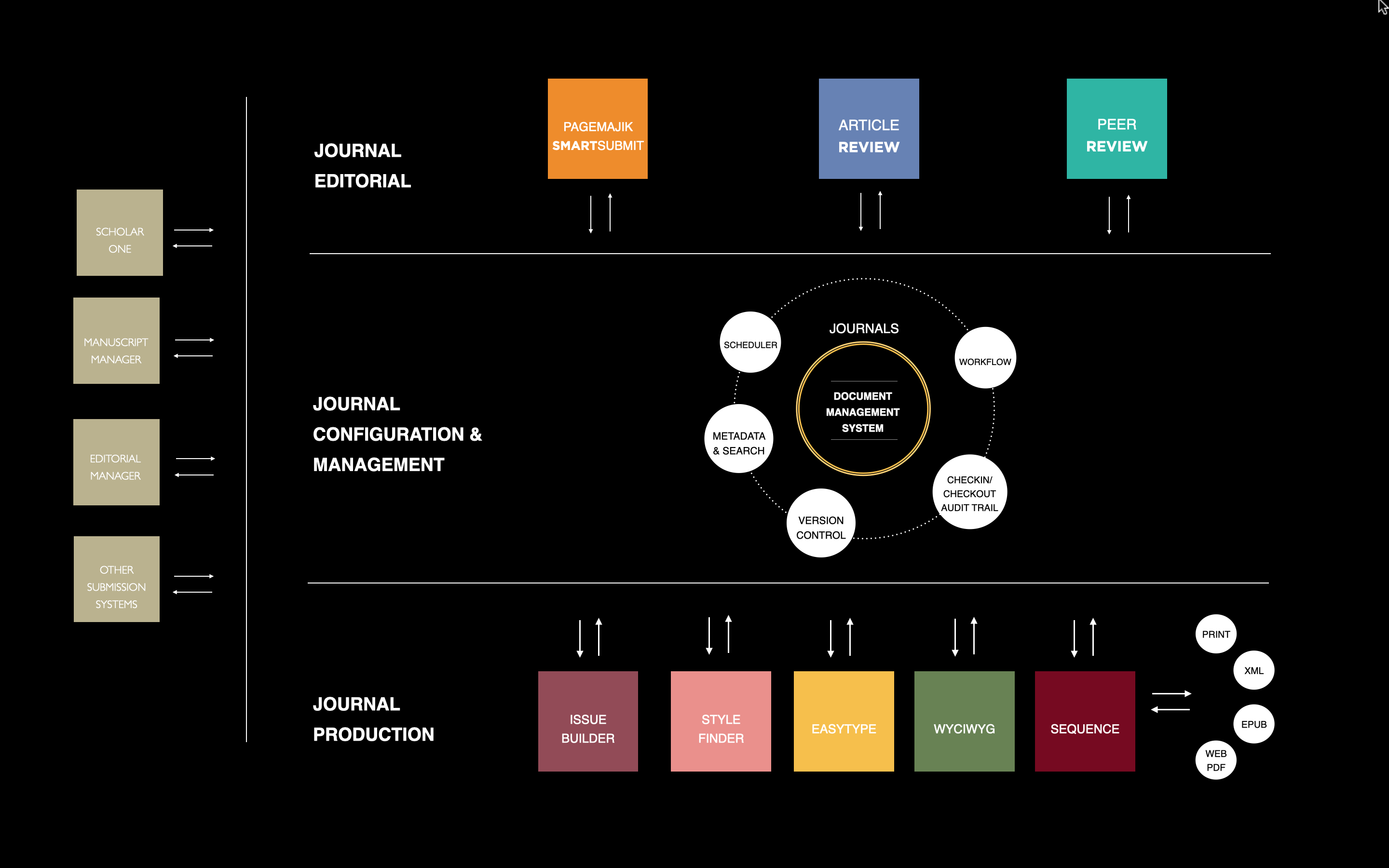
Features
-
Article Submission - No logins, no confusion—just a secure link and a smart, guided workflow. Authors move seamlessly through four simple steps while an AI engine reads the manuscript, auto-fills forms, checks word count, language, and metadata, and flags any issues. Files can be reordered, types updated, and progress tracked in real time. With built-in validation and a clear submission manifest, every article arrives complete, compliant, and ready for review. Fast, intuitive, and built for busy authors.
-
Article Desk Review - Editorial users manage submissions through a structured, multi-layered workflow beginning with Desk Review. The platform runs technical validation and structural analysis using StyleFinder—an AI engine that tags styles, flags inconsistencies, and assesses research integrity. Editors have access to both the author-submitted metadata and the AI-processed manuscript view for deeper evaluation. Decisions such as Reject, Copyedit, or Send to Peer Review are taken directly within the editorial workspace. Task lists, shortcut views, folder queues, and technical checkpoints help streamline high-volume handling while maintaining editorial quality.
-
Peer Review - Peer review is managed with advanced automation, editorial flexibility, and intelligent reviewer matching. The platform suggests reviewers based on manuscript metadata using relevance scoring from PubMed and other databases. Configurable batch logic enables staged invitations, while editors can manually add preferred reviewers, adjust invitation order, and monitor responses across multiple rounds.
-
Reviewer Portal - Reviewers interact with the platform entirely via secure email links, eliminating the need for login. Upon accepting an invitation, reviewers are taken directly to their assignment page. Here, they view the manuscript PDF alongside a structured review form. Annotation tools are available to highlight comments, while the system captures every action automatically. Submitted reviews are logged and made visible to the editorial team. The interface is lightweight and optimized for productivity with zero training required.
-
Journal Configuration and Management - Manage, configure, and set up your journals with ease using a comprehensive set of administrative tools. Dynamically create journals, define metadata, article and volume types, assign editorial teams, configure submission forms, and control automated communications—all from a centralized interface.
The platform also supports issue planning, including special issues, with workflows tailored for print, online, or continuous publishing. Built for flexibility and scale, it ensures every journal setup aligns with your publishing strategy.
Modules you will use


Technical Review and Research Integrity
The platform runs automated checks on manuscript structure, metadata, language, and formatting, while also evaluating research integrity using AI-based analysis—flagging potential issues early in the editorial process.
Reviewer Recommender
The recommender analyzes the manuscript’s title, keywords, category, and references to suggest the most relevant reviewers. It searches across PubMed, other public databases, and publisher-specific reviewer databases to ensure accurate, high-quality matches.
#Roadmap #onthemake


See PageMajik in action


© 2025, PageMajik Inc. All rights reserved.